How Does Astrology Affect Relationships? A Real Look Beyond Sun Signs
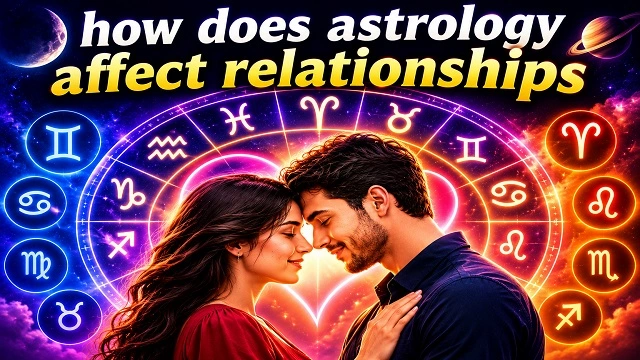
Somewhere around the third month of dating someone, most people hit the same moment: things are going well, but a specific pattern keeps popping up. Maybe they need way more alone time than you do. Maybe you argue about the exact same thing every few weeks, just with different words. It’s around this point that people start Googling how does astrology affect relationships, half hoping for an explanation and half hoping for permission to stop overthinking it.
The honest answer is that astrology doesn’t control your relationships, but it does offer a surprisingly useful map for understanding the patterns already sitting underneath them — why certain connections feel effortless, why others take real work, and why the same argument seems to follow you from relationship to relationship no matter who you’re with.
How Does Astrology Affect Relationships on a Day-to-Day Level?
The clearest way astrology affects relationships isn’t dramatic — it’s in the small daily friction points. How you communicate, how you handle stress, how much space you need, how you show affection. Each of these tends to trace back to specific placements in your chart, particularly your Moon, Venus, and Mercury signs.
Someone with Mercury in a direct, fast-moving sign like Sagittarius tends to say exactly what they’re thinking, sometimes before fully considering how it lands. Someone with Mercury in a more careful, diplomatic sign like Libra tends to soften things, sometimes to the point of avoiding an issue altogether. Neither approach is wrong, but put those two people in a relationship together, and you’ve got a built-in communication mismatch that has nothing to do with how much they care about each other.
Moon Signs and Emotional Compatibility
If you’re trying to understand how astrology affects relationships at the emotional level, the Moon sign is where most of the real answers live. Your Moon governs what makes you feel safe, how you process stress, and what you actually need when you’re upset — which is often completely different from what you need when things are going well.
A partner with a Cancer Moon typically wants reassurance and emotional closeness during conflict. A partner with a Sagittarius Moon often wants space and time to process independently before talking it through. Neither person is being difficult on purpose. They’re just running on different emotional operating systems, and recognizing that difference tends to defuse a lot of unnecessary hurt feelings.
Venus and How You Both Show Love
Venus is the planet most directly tied to how astrology affects relationships on the romantic side — attraction, affection, and what actually makes someone feel loved. This is often where couples get tripped up without realizing it, because everyone assumes their own way of showing love is the “normal” one.
Someone with Venus in Taurus tends to show love through physical touch, quality time, and consistency. Someone with Venus in Aquarius might show love through intellectual connection, independence, and unconventional gestures that don’t look like “typical” romance at all. If one partner is waiting for consistent physical affection and the other is expressing love through deep conversations and personal space, both people can feel unappreciated even though they’re both trying.
Mars: Attraction, Drive, and Conflict Style
Mars plays a bigger role in how astrology affects relationships than most people expect, mostly because it governs both attraction and conflict — two things that are more connected than they seem. The same planetary energy that creates a spark of chemistry often shows up again during an argument, just aimed in a different direction.
A fiery Mars placement, like Mars in Aries, tends to confront issues quickly and directly, sometimes escalating faster than intended. A more reserved Mars placement, like Mars in Capricorn or Cancer, tends to handle conflict cautiously, sometimes holding things in until frustration builds up. Recognizing your partner’s Mars style can completely change how you interpret their reactions during a disagreement — it’s rarely about you specifically, and much more about how they’re wired to handle friction.
Saturn: The Planet of Commitment and Longevity
When people ask how astrology affects relationships in terms of long-term commitment, Saturn usually comes up. Saturn governs structure, responsibility, and staying power — which makes Saturn connections between two charts a common signal of serious, long-lasting relationships.
That said, Saturn connections aren’t always comfortable. They can feel heavy, slow, or like the relationship requires real effort and patience rather than effortless romance. Many long, stable marriages have strong Saturn contacts in their synastry — proof that “easy” and “lasting” aren’t always the same thing when it comes to how astrology affects relationships over time.
Synastry: Comparing Two Charts Directly
The formal method astrologers use to study how astrology affects relationships between two specific people is called synastry — overlaying both birth charts to see how each person’s planets interact with the other’s. This goes well beyond basic Sun sign compatibility and looks at dozens of individual connections at once.
A few patterns astrologers commonly look for:
- Sun-Moon connections — often creates a natural sense of being understood
- Venus-Mars connections — usually points to strong physical or romantic chemistry
- Moon-Moon connections — both partners’ emotional worlds recognizing each other easily
- Saturn contacts — often signals commitment, though sometimes with a heavier, more serious tone
No single connection determines a relationship’s success or failure on its own. It’s the overall pattern across both charts that tells the fuller story.
This is part of why two people can each look “compatible on paper” with several different partners and still feel a completely different level of ease with one person over another. Synastry isn’t a single yes-or-no answer — it’s a layered picture built from dozens of smaller interactions between two charts, and the overall balance matters more than any single connection in isolation.
Transits: Why Timing Matters in Relationships Too
Astrology doesn’t just affect relationships through fixed birth chart placements — ongoing transits play a role too. Venus retrograde periods are notorious for bringing exes back into the picture or making people question relationships that previously felt stable. Saturn transits through relationship-related houses often bring a testing period, where a relationship either strengthens under pressure or reveals cracks that were already there.
This is one of the more practical answers to how astrology affects relationships: it’s not just about who you’re with, but when certain patterns tend to intensify, which can help you tell the difference between a temporary rough patch and a genuine long-term issue.
Where Astrology Actually Helps
Used well, understanding how astrology affects relationships gives you language for conversations that are otherwise hard to start. Instead of vaguely saying “I feel like you don’t get me,” you can point at something more specific — different Moon needs, different Venus expressions, different Mars conflict styles — and that specificity alone often makes the conversation easier to have.
It also helps with self-awareness outside of any particular relationship. If you notice a pattern of chasing emotionally distant partners, or always ending up in relationships that move too fast, your own chart often has clues about why, independent of who you’re currently dating.
Where Astrology Falls Short
It’s worth being honest: astrology can’t tell you whether someone is trustworthy, whether they’ll actually follow through on commitments, or whether a relationship is healthy. Those things come from behavior and time, not planetary placements. Plenty of “perfect on paper” chart matches fail because one person wasn’t emotionally available, and plenty of “difficult” combinations turn into strong relationships because both people showed up consistently.
Think of astrology as a lens for understanding patterns and timing, not a verdict on whether a relationship will work. The real answer to how astrology affects relationships is that it explains tendencies — it doesn’t replace communication, effort, or paying attention to how someone actually treats you.
Final Thoughts
How astrology affects relationships comes down to pattern recognition more than prediction. Your Moon, Venus, and Mars placements shape how you love, argue, and connect with a partner, while transits shape when those patterns are more likely to intensify. None of it guarantees a happy ending, but understanding it can make the difference between repeating the same relationship mistakes on autopilot and actually catching them before they cause real damage.
Frequently Asked Questions
Does astrology determine whether a relationship will succeed? Not on its own. It highlights emotional patterns, communication styles, and timing, but the actual outcome still depends on both people’s effort and choices.
Which placement matters most for understanding relationship compatibility? Moon and Venus signs tend to be the most immediately useful, since they cover emotional needs and how love is expressed and received.
Can two people with a “difficult” synastry chart still have a good relationship? Yes. Challenging aspects often push both people to communicate more directly, and some of the most resilient relationships come from charts with real friction rather than effortless ease.
Do I need a professional astrologer to understand how astrology affects my relationship? Not necessarily. Free birth chart and compatibility tools can give you a solid starting point, though a professional reading offers deeper detail on specific synastry connections.
This article is intended for entertainment and self-reflection purposes only and is not a substitute for professional relationship counseling or advice.
Pingback: What Is a Synastry Chart in Astrology - Career Birth Chart Calculator